
Ensuring Accurate Measurements: A Crucial Step to Avoid Last-Minute Delays and Mishaps
By Aswin Kumar, Vilvam Works
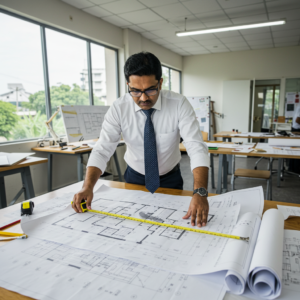
In the world of construction and architecture, precise measurements are fundamental. Inaccurate measurements can lead to significant delays, increased costs, and even structural issues that could compromise the integrity of a building. To ensure the success of your project, it is imperative to get the correct measurements before getting started. Here are some expert tips to help you avoid last-minute delays and mishaps.
1. Invest in High-Quality Measuring Tools
The accuracy of your measurements is directly related to the quality of your measuring tools. Utilize advanced equipment such as laser distance meters, digital calipers, and 3D scanners. According to a survey by the American Institute of Architects (AIA), 85% of construction professionals reported a noticeable improvement in accuracy when using advanced measuring tools.
2. Double-Check and Cross-Verify Measurements
Adopting the practice of “measure twice, cut once” can save you from costly errors. Double-check your measurements and cross-verify them with different tools to ensure consistency. An analysis by the Construction Industry Institute (CII) showed that projects with rigorous measurement verification processes saw a 30% reduction in rework costs.
3. Account for Environmental Factors
Environmental conditions such as temperature, humidity, and wind can impact measurements. For instance, thermal expansion and contraction of materials like steel and concrete can affect dimensions. A study by the National Institute of Standards and Technology (NIST) found that temperature fluctuations can cause a variance of up to 0.5% in steel measurements. Always account for these factors and make necessary adjustments.
4. Collaborate with Experts
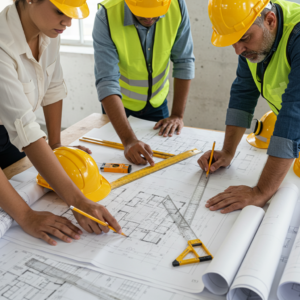
Consult with structural engineers, surveyors, and other professionals to validate your measurements. Their expertise can help identify potential errors and ensure that all measurements align with project specifications. According to the Bureau of Labor Statistics (BLS), collaborative efforts in construction projects can increase productivity by 20%.
5. Implement a Robust Quality Control Process
Establishing a comprehensive quality control process is vital for catching discrepancies early. Regular audits and inspections should be conducted to maintain measurement accuracy. The Project Management Institute (PMI) reports that projects with stringent quality control measures experience 25% fewer delays.
6. Keep Detailed Documentation
Accurate record-keeping is essential for reference and accountability. Document all measurements and any changes made during the project. Proper documentation ensures that everyone involved is on the same page and can reference accurate data when needed. The Construction Specifications Institute (CSI) emphasizes the importance of documentation in mitigating disputes and claims.
7. Leverage Building Information Modeling (BIM)
Building Information Modeling (BIM) software allows for precise digital representations of the project. Utilize BIM to streamline the measurement process and improve accuracy. A report by McKinsey & Company highlights that BIM adoption can reduce project costs by up to 15%.
8. Foster Clear Communication
Effective communication is crucial for a successful project. Ensure that all team members understand the importance of accurate measurements and are trained in best practices. Regular meetings and updates can help keep everyone aligned and minimize errors.
By following these expert tips, you can ensure accurate measurements and avoid last-minute delays and mishaps in your building projects. Accurate measurements not only save time and money but also contribute to the overall success and safety of the project.
Remember, precision is key to a smooth building process. Stay diligent, and your projects will benefit immensely!